How to Maximise Your Electric Range
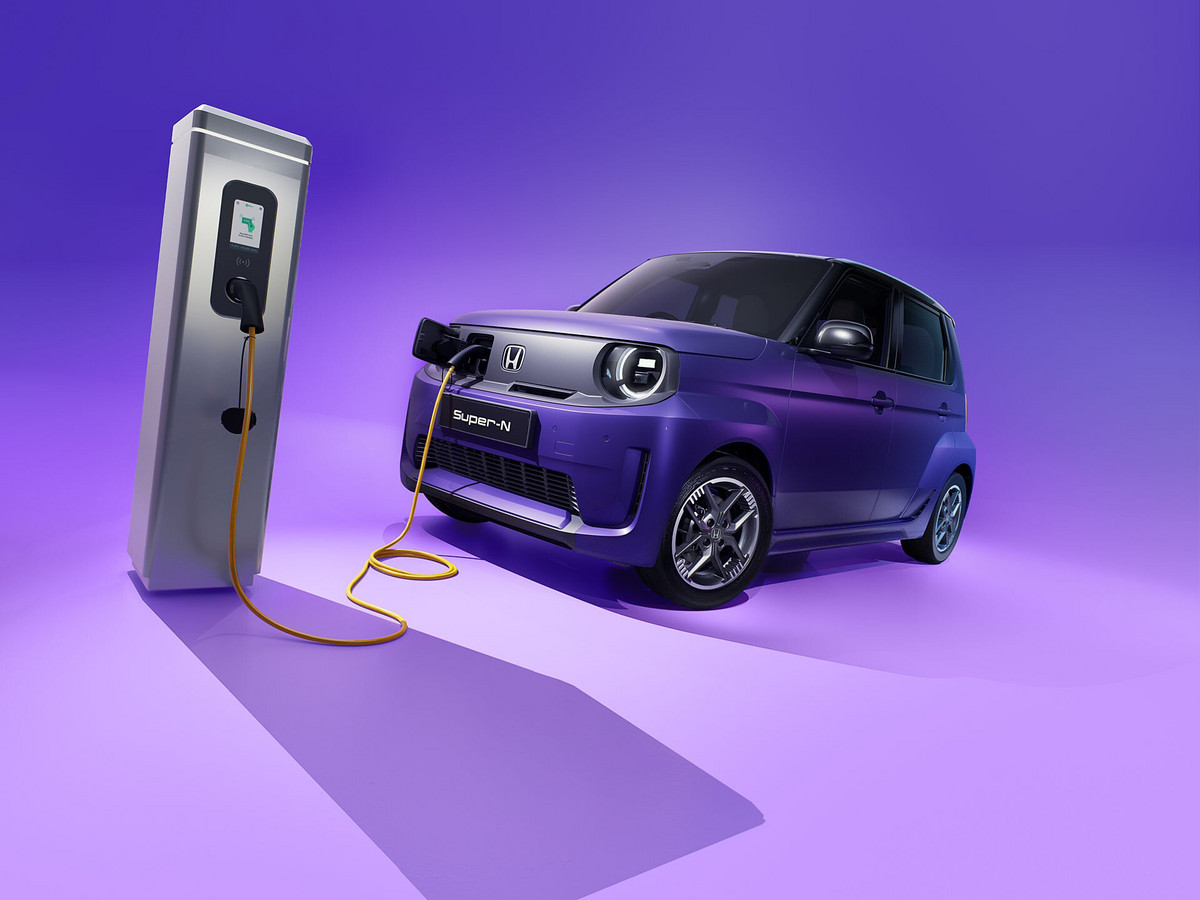
Getting the most from your electric car is easier than you might think. A few simple changes to your driving habits, charging routine and journey preparation can help you travel further on every charge.
Here are our top tips for making every mile count.
1. Drive smoothly and watch your speed
Smooth, efficient driving is one of the easiest ways to extend your EV's range.
- Accelerate gently and avoid unnecessary bursts of speed.
- Maintain a steady speed and anticipate traffic ahead.
- Watch your motorway speed. Driving at 60–65 mph rather than 70 mph can make a noticeable difference.
- Use ECON mode, where fitted, to help reduce energy consumption.
2. Make the most of regenerative braking
Unlike conventional cars, electric vehicles can recover energy when slowing down, returning electricity to the battery instead of wasting it as heat.
Honda EVs feature regenerative braking paddles behind the steering wheel, allowing you to adjust how strongly the vehicle slows when you lift off the accelerator.
Use the paddles to increase regenerative braking when approaching junctions, travelling downhill or driving in stop-start traffic.
The key is to anticipate the road ahead. Smooth driving and avoiding unnecessary braking will generally deliver the best efficiency.
3. Precondition before you leave
Heating or cooling your car uses battery energy, particularly in winter.
Where supported, precondition your EV while it's still plugged in. This allows the cabin to reach a comfortable temperature using electricity from the charger rather than relying entirely on the battery.
Honda EVs allow you to switch on preconditioning without leaving the comfort of your home, using the key fob or My Honda+ smartphone app, depending on the model.
It's a simple way to start your journey comfortably, with more energy available for driving.
4. Be prepared for the weather
Extreme temperatures affect battery performance, so your EV's range will naturally vary throughout the year.
In winter:
- Expect reduced range. Honda's guidance suggests cold weather can reduce range by around 10–20%, depending on conditions.
- Preheat the cabin before departure.
- Use heated seats and the heated steering wheel, where fitted. These warm you directly and generally use less energy than heating the entire cabin, helping to preserve your range.
- Allow extra time for charging, particularly at rapid chargers.
In summer:
- Park in the shade whenever possible.
- Pre-cool your car before setting off.
- Avoid charging in extreme heat where practical.
Remember, your displayed range is an estimate and will change with driving conditions.
5. Look after your battery
Good charging habits can help maintain your EV's battery health and performance over the longer term.
- Aim for around 80% charge for everyday use, following your vehicle's recommendations.
- Charge to 100% only when needed prior to longer journeys.
- Avoid regularly running the battery almost empty.
- Use rapid charging when convenient, but avoid relying on it unnecessarily.
- Rapid charging also typically slows considerably above 80%, so charging beyond this may not be the quickest way to complete a long journey.
6. Plan ahead and check your tyres
A little preparation goes a long way, particularly on longer journeys.
- Plan charging stops before setting off.
- Consider shorter routes and lower average speeds where practical.
- Use EV-friendly navigation: Where supported, configure your maps app for an electric vehicle. It can then suggest more energy-efficient routes, helping you maximise your range.
- Check your tyre pressures - underinflated tyres increase energy consumption.
- Remove unnecessary weight and roof boxes when not needed.
- Keep your vehicle software updated. Manufacturer updates can sometimes improve efficiency, performance and battery management.
Enjoy electric driving with confidence
Getting the best range from your EV doesn't require complicated techniques. Smooth driving, sensible speeds, regenerative braking and a little forward planning can make a real difference.